Understand the Immigration Process Before You File.
Immigration cases can involve overlapping questions of eligibility, admissibility, evidence, procedure, timing, and agency jurisdiction. These guides provide general information about several common immigration processes and the issues that may require closer legal review.
Explore the Guides
Select a topic to review the general process, eligibility considerations, evidence requirements, and issues that may affect a particular case.
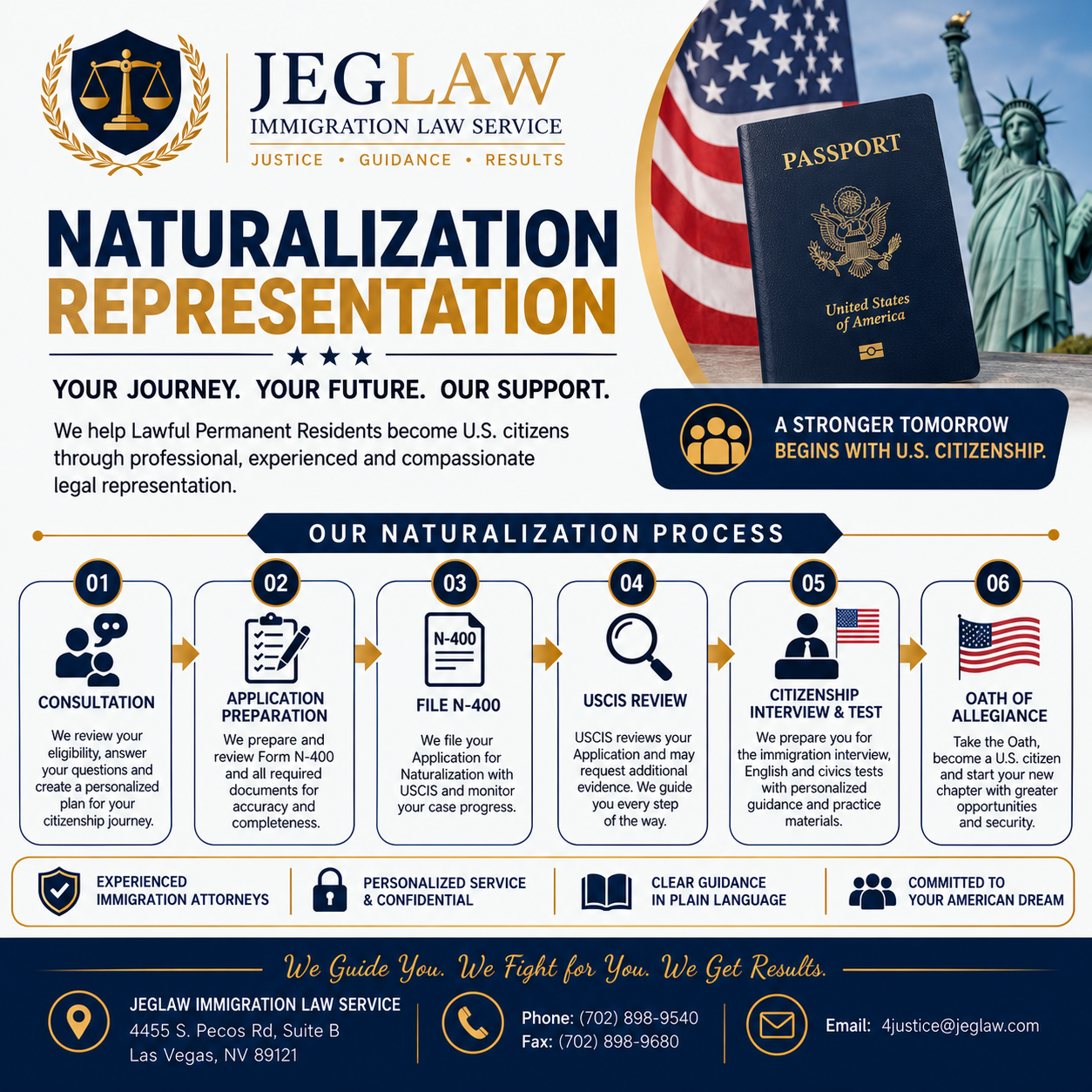
Naturalization & U.S. Citizenship
Review general eligibility requirements, continuous residence, physical presence, good moral character, the N-400 process, the citizenship interview, and issues that may require additional legal review.
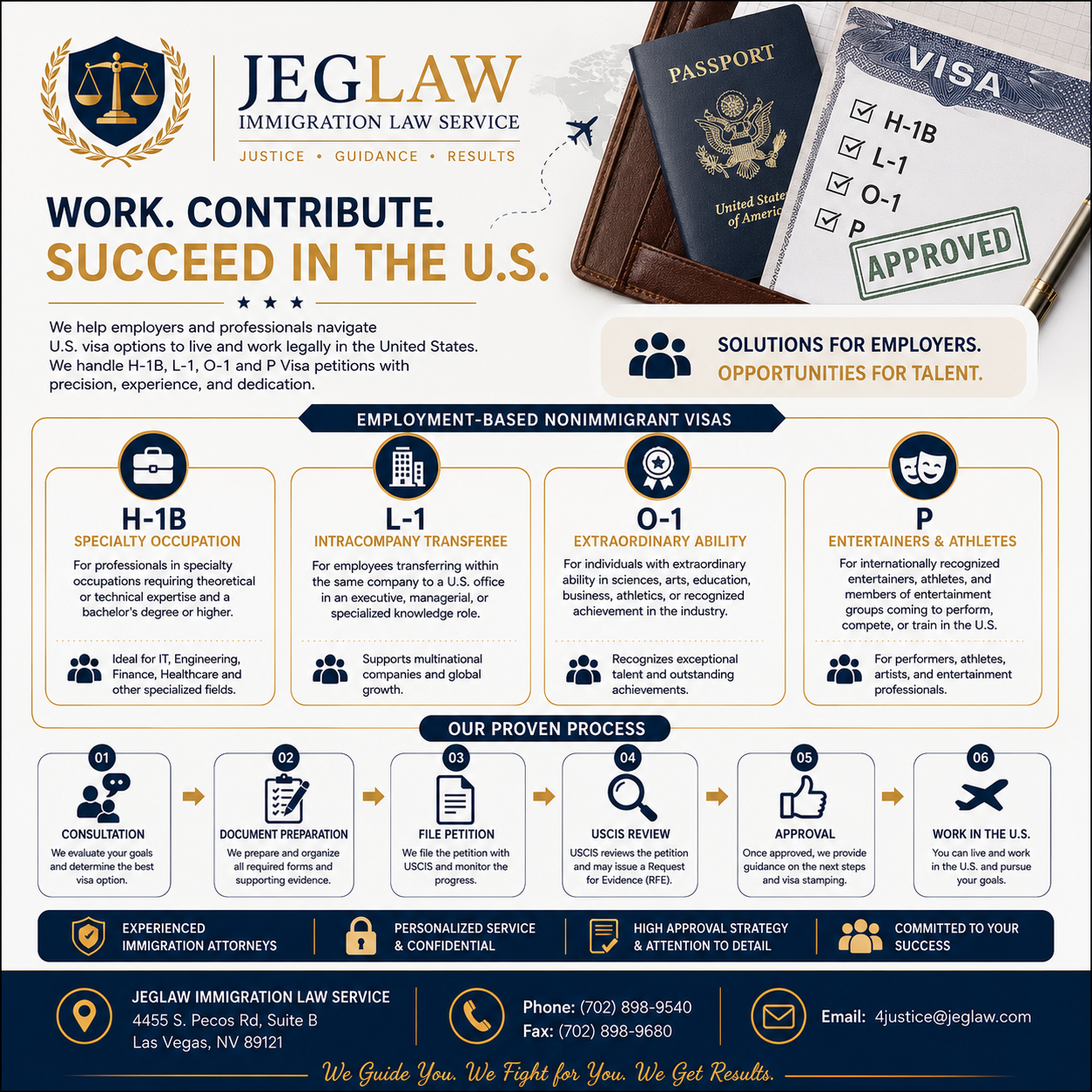
Employment Visas & Employment-Based Immigration
Learn about temporary work classifications, employer sponsorship, employment-based permanent residence, professional immigration options, and common procedural considerations.
Family Reunification
Understand family-based petitions, qualifying relationships, adjustment of status, consular processing, financial sponsorship, and issues affecting family immigration.
U Visas for Victims of Qualifying Crimes
Review the U nonimmigrant classification, qualifying criminal activity, substantial harm, law-enforcement certification, cooperation requirements, waivers, and related considerations.
A Case Usually Begins Long Before Filing.
The appropriate immigration strategy often depends on the person's complete immigration history, available evidence, procedural posture, and the government agency or court handling the matter.
Evaluate Eligibility
Identify the immigration benefit, classification, defense, waiver, or procedural remedy that may be available under the person's circumstances.
Review the Record
Examine immigration history, prior applications, entries and exits, court history, family relationships, employment records, and other facts that may affect eligibility.
Prepare the Evidence
Organize forms, declarations, supporting documentation, legal arguments, government records, and other evidence required for the filing or proceeding.
Navigate Adjudication
Respond to government requests, prepare for interviews or hearings, monitor deadlines, and address factual or legal issues that arise during adjudication.
Evaluate the Next Remedy
If a case is delayed, denied, referred to court, or otherwise becomes contested, evaluate motions, appeals, administrative remedies, or federal litigation where legally available.
Some Cases Require More Than an Application.
Removal proceedings, detention, adverse agency decisions, motions, appeals, prolonged delays, and federal judicial review may involve jurisdictional and procedural issues very different from routine benefit processing.
JEGLAW LTD evaluates complex immigration matters with attention to the administrative record, deadlines, available remedies, procedural posture, and the forum with authority to act.
Explore Immigration Services →Not Sure Which Immigration Process Applies?
Begin with a consultation so the JEGLAW team can review the circumstances, identify the legal issues that may require further evaluation, and determine what type of immigration process may be relevant.


U Visa Petitions for Victims of Qualifying Criminal Activity
Crime Victim Immigration Help